

Creating an estate plan is one of the most important steps you can take to protect your family, preserve your assets, and ensure that your wishes are carried out both during your lifetime and after your death. Unfortunately, many people either postpone estate planning or make decisions that unintentionally undermine the effectiveness of their plan. The reality is that even well-intentioned plans can fail if common mistakes are overlooked. Understanding these pitfalls can help you create an estate plan that provides meaningful protection for both you and your loved ones. With that in mind, the attorneys at Wilcox Attorneys, PA explain 10 common estate planning mistakes that Bentonville families make.
Relying on Generic Online Estate Planning Documents
Online estate planning forms have become increasingly popular because they appear inexpensive and convenient. While these documents may satisfy very limited needs, they rarely account for the complexities of an individual’s financial and family circumstances. Equally important, downloadable documents do not provide legal advice regarding Arkansas probate procedures, trust funding, beneficiary designations, tax planning, or the selection of appropriate fiduciaries. Even a technically valid document may fail to accomplish your objectives if it is not properly integrated into your overall estate plan.
Working with an experienced estate planning attorney provides the opportunity to develop a strategy tailored to your unique goals rather than relying on standardized forms intended for the general public.
Overlooking Incapacity Planning
Many people associate estate planning exclusively with death, overlooking the possibility that they could become unable to manage their financial or medical affairs during their lifetime. A serious illness, stroke, accident, or progressive cognitive condition may leave you temporarily or permanently incapable of making important decisions. Without appropriate legal documents in place, your family could encounter significant obstacles when attempting to pay bills, access financial accounts, communicate with healthcare providers, or make medical decisions on your behalf. A well-designed Arkansas estate plan typically includes a Durable Power of Attorney, healthcare planning documents, and, in many situations, a revocable living trust. These documents work together to ensure that someone you trust can step in immediately if necessary.
Choosing the Wrong People to Carry Out Your Estate Plan
Even the most carefully drafted estate plan can encounter problems if the wrong individuals are selected to carry out your wishes. Choosing an Executor, Trustee, guardian, or Agent under a Durable Power of Attorney should involve more than simply naming your oldest child or closest relative. These fiduciaries will have significant legal responsibilities. Depending on the role, they may be responsible for managing investments, paying debts, maintaining financial records, communicating with beneficiaries, overseeing trust assets, or making important healthcare and financial decisions if you become incapacitated.
The ideal fiduciary is someone who is trustworthy, organized, financially responsible, and capable of making objective decisions during emotionally difficult circumstances. It is also wise to consider whether the individual has the time and willingness to serve. Someone who lives far away, has declining health, or struggles to manage personal finances may not be the best choice, regardless of how close your relationship may be.
Failing to Coordinate Beneficiary Designations
Even carefully prepared estate planning documents may fail to accomplish your objectives if they are not coordinated with your beneficiary designations. Many valuable assets transfer outside of probate according to contractual beneficiary designations rather than the instructions contained in your Last Will and Testament. Retirement accounts, life insurance policies, payable-on-death bank accounts, transfer-on-death investment accounts, and certain annuities all commonly pass directly to the individuals listed on the account. This creates problems when beneficiary designations are not updated after significant life changes. A former spouse, deceased relative, or someone you no longer intend to benefit may still inherit substantial assets simply because the beneficiary designation was never changed.
Your estate plan should function as one coordinated strategy rather than a collection of unrelated documents. Regularly reviewing beneficiary designations helps ensure that each component of your plan supports your overall objectives.
Creating a Living Trust but Never Funding It
Revocable living trusts have become increasingly popular because they offer numerous advantages, including probate avoidance, continuity during incapacity, and simplified estate administration. Unfortunately, many people complete only the first step by signing the trust agreement, but a trust cannot accomplish its intended purpose unless assets are properly transferred into it. An unfunded trust often creates a false sense of security because the document exists but cannot fully perform the functions for which it was created.
Funding a trust generally requires changing ownership of appropriate assets, such as real estate, brokerage accounts, or business interests, so they become trust property. If these transfers never occur, those assets may still require probate despite the existence of a carefully drafted trust. Each type of asset requires individual analysis. Some property should be retitled directly into the trust, while other assets require different planning techniques. Because of these distinctions, funding should always be completed as part of the overall estate planning process rather than treated as an afterthought.
Failing to Protect Young or Vulnerable Beneficiaries
Many parents assume that leaving an inheritance equally among their children is the fairest approach. While equal treatment may be appropriate in some families, it is not always the strategy that best protects your beneficiaries. Importantly, minor children cannot legally inherit assets from your estate, meaning a court may need to appoint someone to oversee those assets until the child reaches adulthood if you fail to make appropriate provisions within your estate plan. Likewise, adult beneficiaries may face circumstances that make an outright inheritance unwise. Financial immaturity, creditor problems, disability, substance abuse issues, or an unstable marriage can all place inherited assets at unnecessary risk.
Rather than distributing assets immediately, your estate plan may be strengthened by incorporating trusts that allow a Trustee to manage assets according to instructions you establish. You may authorize distributions for education, healthcare, housing, or other appropriate purposes while delaying unrestricted access until a beneficiary reaches a specified age or demonstrates financial responsibility.
Overlooking Long-Term Care and Medicaid Planning
Estate planning is not limited to transferring assets after death. It should also address the possibility that you may require long-term care during your lifetime. Many people underestimate both the likelihood of needing nursing home care and the financial consequences associated with extended care. The cost of several years in a skilled nursing facility can significantly reduce retirement savings and other assets if no advance planning has occurred.
Incorporating long-term care planning into your estate plan allows you to evaluate available options while you still have flexibility. Depending on your circumstances, this may include reviewing long-term care insurance, evaluating Medicaid planning strategies, or considering whether specialized trusts are appropriate. Beginning this process before a healthcare crisis develops generally provides substantially more planning opportunities than attempting to protect assets after nursing home care has already become necessary.
Can We Help You Avoid Estate Planning Mistakes in Your Bentonville Estate Plan?
For additional information, please sign up for one of our FREE estate planning webinars. If you would like assistance to avoid estate planning mistakes in your Bentonville estate plan, contact the experienced Washington County, Fayetteville, Springdale, Rogers, Bentonville, and Northwest Arkansas estate planning attorneys at Wilcox Attorneys, PA by calling 479-443-0062 to schedule your appointment today.
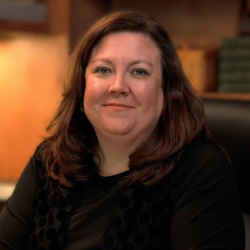
Learn more about Audra here
- 7 Essential Steps in the Fayetteville Estate Planning Process - October 14, 2026
- Understanding the Relationship Between a Will and a Trust in My Arkansas Estate Plan - September 30, 2026
- Should I Appoint Co-Trustees to Administer My Arkansas Trust? - September 16, 2026