
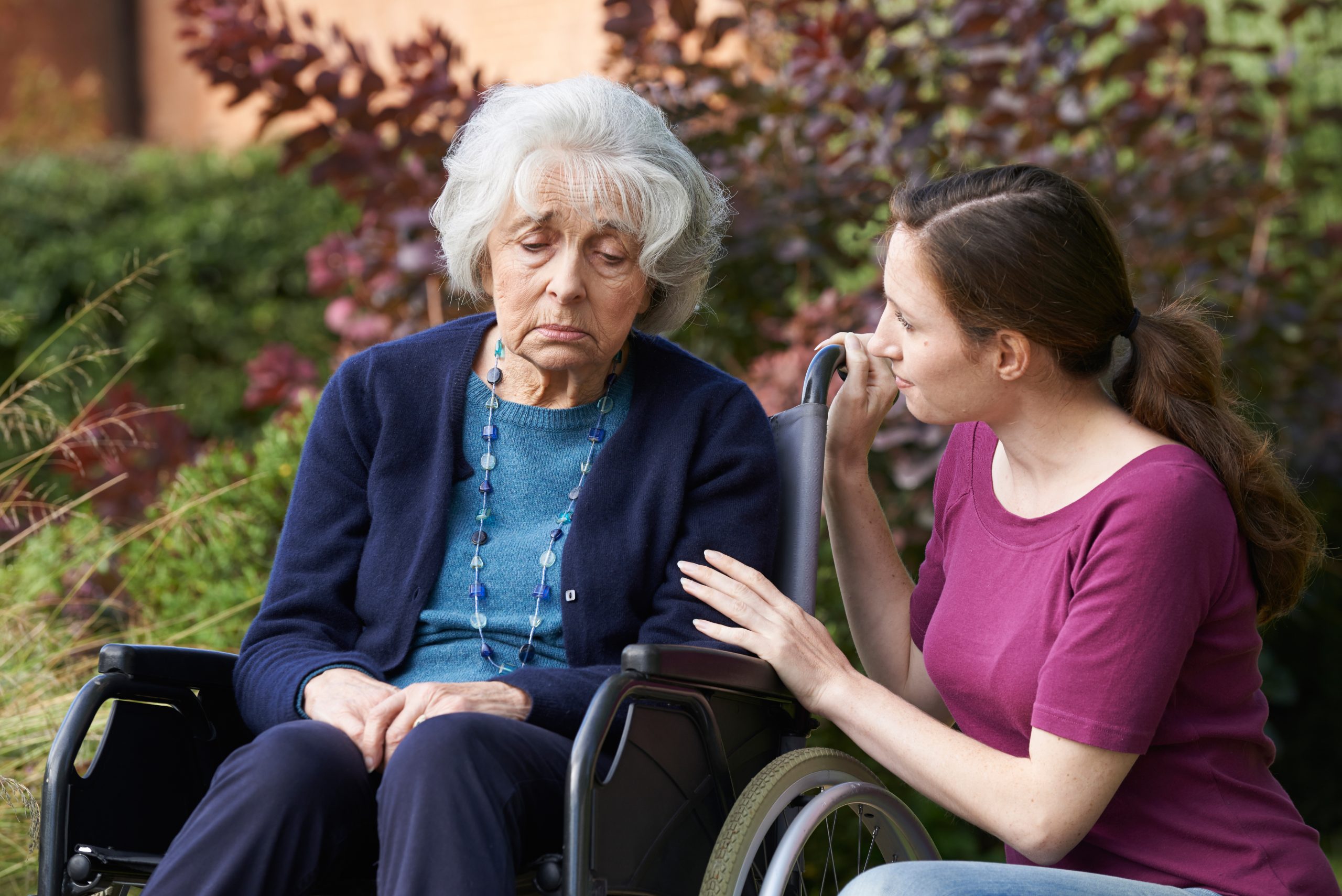
Elder abuse is a widespread and deeply concerning issue that affects countless older adults each year. It can occur in a variety of settings, including private residences, assisted living facilities, and nursing homes. Those responsible for the abuse may be family members, caregivers, healthcare providers, or even strangers looking to take advantage of a vulnerable person. Moreover, many elderly individuals do not report their abuse because they feel ashamed, fear retaliation, or suffer from cognitive impairments that prevent them from effectively communicating their experiences. That is why it is crucial for loved ones to be aware of the warning signs and take action if they suspect abuse is occurring. With that in mind, the attorneys at Wilcox Attorneys, PA help you recognize the signs of elder abuse and offer suggestions for steps to take if you suspect abuse.
What Constitutes Elder Abuse?
Elder abuse refers to any act, whether intentional or due to negligence, that causes harm or a significant risk of harm to an older adult. The abuse can take multiple forms, each with its own warning signs. These include physical, emotional, sexual, and financial abuse, as well as neglect and abandonment. The impact of elder abuse can be devastating, affecting not only a person’s physical health but also their emotional and financial well-being. Without intervention, the abuse may continue unchecked, leading to severe consequences, including long-term trauma, serious injury, or even death.
Common Types of Elder Abuse and Their Warning Signs
To effectively protect elderly loved ones, it is important to recognize the different types of elder abuse and understand their warning signs, including:
- Emotional or Psychological Abuse: Emotional abuse is more difficult to identify because it does not leave physical marks. It includes verbal assaults, humiliation, threats, and isolation, all of which are meant to cause emotional distress or erode an elder’s sense of self-worth. Signs of emotional abuse may include:
- Sudden mood swings, including increased anxiety, depression, or agitation
- Unexplained withdrawal from family members, friends, or social activities
- Fearfulness or nervousness in the presence of certain individuals
- Increased confusion or difficulty concentrating
- Changes in sleep patterns, including trouble sleeping or nightmares
- Physical Abuse: Physical abuse occurs when force is used in a way that causes pain, injury, or impairment. This can include hitting, pushing, slapping, or improper use of restraints. Some common warning signs include:
- Unexplained bruises, burns, cuts, or broken bones
- Frequent trips to the emergency room or unexplained delays in seeking medical care
- Marks on wrists or ankles that indicate the use of restraints
- A caregiver’s refusal to let others be alone with the elderly individual
- The senior appearing fearful, withdrawn, or flinching when touched
- Financial Exploitation: Financial exploitation is one of the most common forms of elder abuse. It occurs when someone improperly or illegally uses an elderly individual’s money, assets, or property for their own benefit. The consequences of financial abuse can be devastating, leaving victims without the necessary resources to support themselves. Signs to watch for include:
- Unexplained withdrawals or sudden changes in financial statusMissing valuables, cash, or personal belongingsUnexpected changes to Wills, trusts, property deeds, or beneficiary designationsBills going unpaid despite sufficient financial resources
- Isolation from family, financial advisors, or close friends
- Neglect: Neglect occurs when a caregiver fails to provide an elderly individual with the basic necessities required for their well-being, including food, medical care, hygiene, and a safe living environment. Neglect may be intentional or may stem from a caregiver’s inability to meet the individual’s needs due to lack of experience or resources. Some common indicators of neglect include:
- Malnutrition or dehydration
- Poor hygiene, including unwashed clothing, bedsores, or soiled bedding
- Untreated medical conditions or lack of necessary medications
- Unsafe or unsanitary living conditions, such as clutter, pests, or lack of heat or air conditioning
- Frequent infections or worsening health conditions
- Abandonment: Abandonment is a particularly severe form of neglect in which a caregiver deserts an elderly person, leaving them without any necessary support. While this may not always happen within close families, it is important to remain aware that abandonment does occur, sometimes involving vulnerable individuals left in unsafe situations. Signs of abandonment include:
- An elderly individual being left alone in a public place, hospital, or facility
- Statements from the senior indicating they were left behind or deserted
- Observing an elderly person in distress without any assistance or care
- Sexual Abuse: Sexual abuse involves any non-consensual sexual contact or behavior. Older adults, especially those with cognitive impairments, may be particularly vulnerable to this type of abuse. Warning signs of sexual abuse can include:
- Unexplained injuries, bleeding, or infections in private areas
- Torn, stained, or missing undergarments
- Sudden avoidance of physical touch or a reluctance to undress
- Displaying fear or discomfort around specific caregivers
- Symptoms of post-traumatic stress, such as increased anxiety or withdrawal
What to Do If You Suspect Elder Abuse
If you suspect that an elderly loved one is being abused, it is important to take action immediately. Elder abuse often escalates over time, and delaying intervention can result in serious harm. If possible, speak privately with your loved one and ask open-ended questions about their well-being. Keep in mind that they may be hesitant to speak due to fear or embarrassment. If the potential abuse is occurring in a care facility or home setting, you can also take the time to watch how the caregiver interacts with your loved one. Signs of impatience, anger, or controlling behavior could indicate a problem.
If you are convinced that abuse is happening, contact the appropriate authorities, such as Adult Protective Services (APS), law enforcement, or a local elder abuse hotline. In cases of immediate danger, call 911. You should also document any signs of abuse, including photographs of injuries, written records of financial changes, and detailed notes. Finally, contact an experienced elder law attorney who can help navigate legal options, including seeking guardianship, financial protection, or even initiating a civil lawsuit against the abusive or negligent party or parties.
Do You Have Additional Questions about Elder Abuse?
For additional information, please sign up for one of our FREE estate planning webinars. If you have additional questions about elder abuse, contact the experienced Washington County, Fayetteville, Springdale, Rogers, Bentonville, and Northwest Arkansas elder law attorneys at Wilcox Attorneys, PA by calling 479-443-0062 to schedule your appointment today.

Learn more about Audra here
- Should I Appoint Co-Trustees to Administer My Arkansas Trust? - September 16, 2026
- Arkansas Power of Attorney Guide - September 2, 2026
- How Does an ABLE Account Fit into My Arkansas Special Needs Plan? - August 19, 2026